The Google toolbar ranking is a boon and a bane, rolled up into a
single iconic link on your Google toolbar. Many newcomers to the
field of SEO are convinced that getting a high PageRank is equivalent
to having a search engine results placement. While this sounds
logical on the surface, it couldn’t be farther from the truth.
Google PageRank, first and foremost, is an estimation of the value
of a website. It is only marginally based on your search results
listings, and can be greatly misleading. Many less than expert SEO
website designers will promise their clients a high PageRank, and
actually deliver on the promise, but the actual site traffic never
booms, and the site seems to stagnate. In this way, poor to average
web design teams are able to fool Google into giving a site a high
PageRank, which seems to imply success for the website, but never
actually deliver the results that the client had hoped to get.
How can this happen? Well, if Google hasn’t indexed a site at
all, but the website is hosted on a popular service, such as
geocities, Google will estimate a PageRank based on its association
with the root domain. This could give a poorly optimized site a high
ranking almost immediately, but over time that PageRank will
deteriorate as the search engine spiders crawl the site, and accurate
indexing translates into the true site rating.
Also, your Google PageRank depends in large part on the sites you
provide links to. If you have many links to highly rated websites,
it is not only possible but likely that your PageRank will be rated
higher. In this way, you are creating an artificial PageRank by
simply placing outbound links that have little or no association with
your actual website contents.
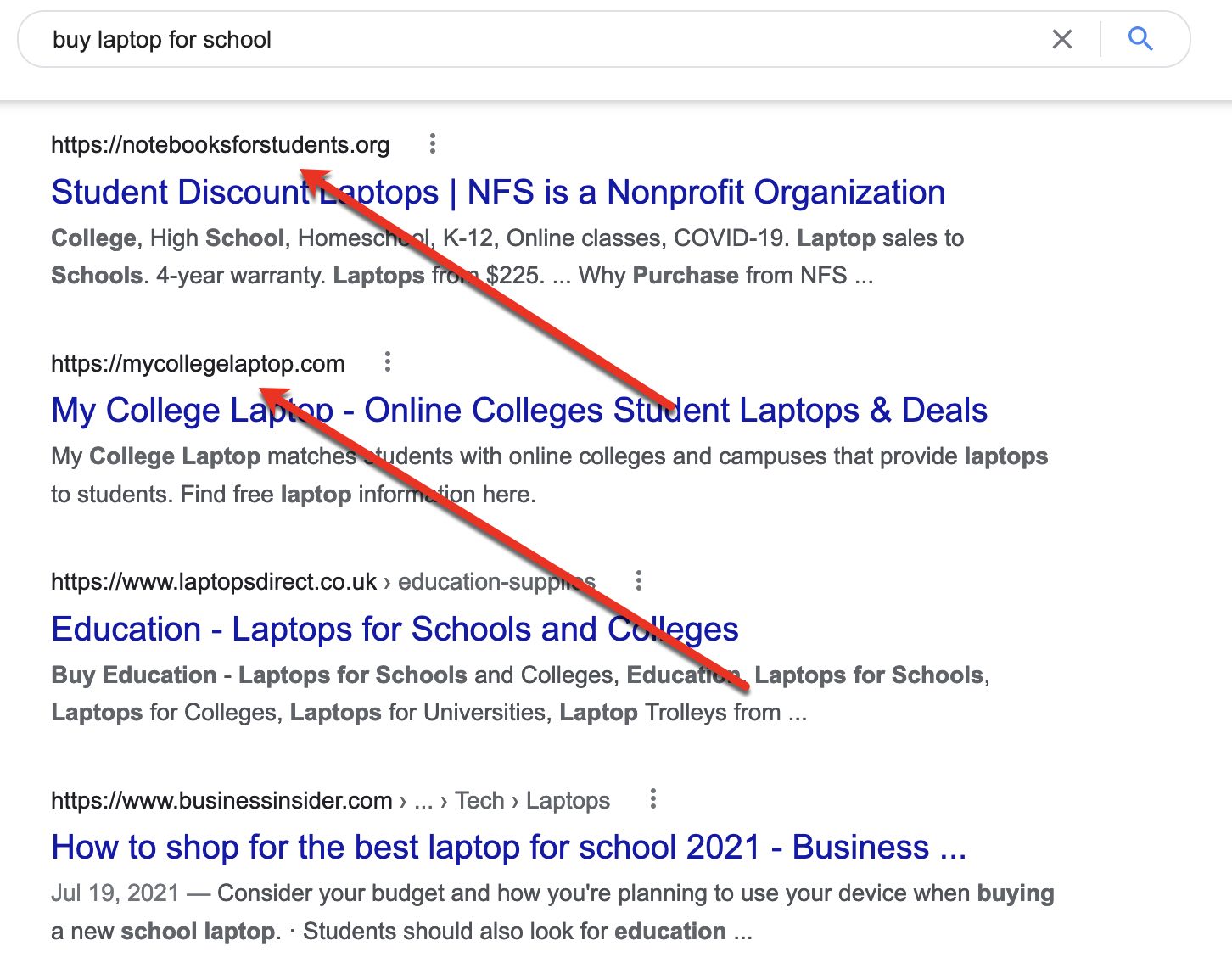
Conversely, your SERP (search engine results pages) rating is a
totally separate mathematical formula, and it even uses your PageRank
as a minor variable in it’s calculation. SERPs are where you want to
rate, not PageRank. A high SERP rating means that your site appears
at the top of searches based on your site’s defined keywords. Your
goal, if popularity is where you want to go, is to get your page
located as close to the top of those results as possible.
Since most people who use search queries will choose their links
from the first page of results, the higher you are on the list, the
more people will visit your site. As more people visit your site, it
will gain in apparent relevance as well as implied popularity. It is
not only possible but likely that you can have a very high SERP
rating without ever even getting a PageRank of 1. So while you can
use PageRank as a rough guide (I do), don’t expect that what you are
told by Google PageRank is a deciding factor in the importance of the
page.
Article written by SEOnotepad.com

No Comment Received
Sorry the comment area are closed for non registered users